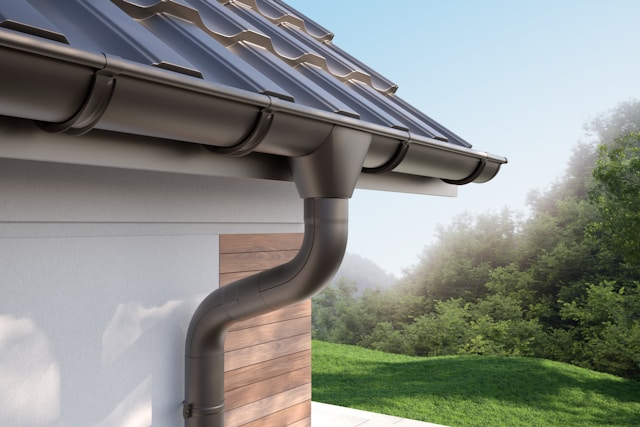

Stormwater management impacts more than just soggy lawns and clogged gutters. Uncontrolled rainfall can cause foundation settlement, basement flooding, soil erosion, driveway deterioration, and municipal system overload. Proper drainage can protect your home’s structure, maintain landscaping, and prevent long term moisture issues that could lead to mold or rot. It is helpful for a homeowner to understand stormwater behavior and how different elements can work together to create an effective runoff management system.
Stormwater will take the path of least resistance. Water will flow downhill across the roof, lawn, driveway, and soil. If the ground slopes toward the house, water will pool along the foundation. Over time, pooling can lead to settlement, wall cracks, or moisture intrusion. This is not good for your plumbing system! Grading is the first line of defense against water pooling around the house. The soil around a home should slope away to create a positive grade that moves water outwards, not towards the house. Even a small grading issue can create a big problem during a heavy rain event.
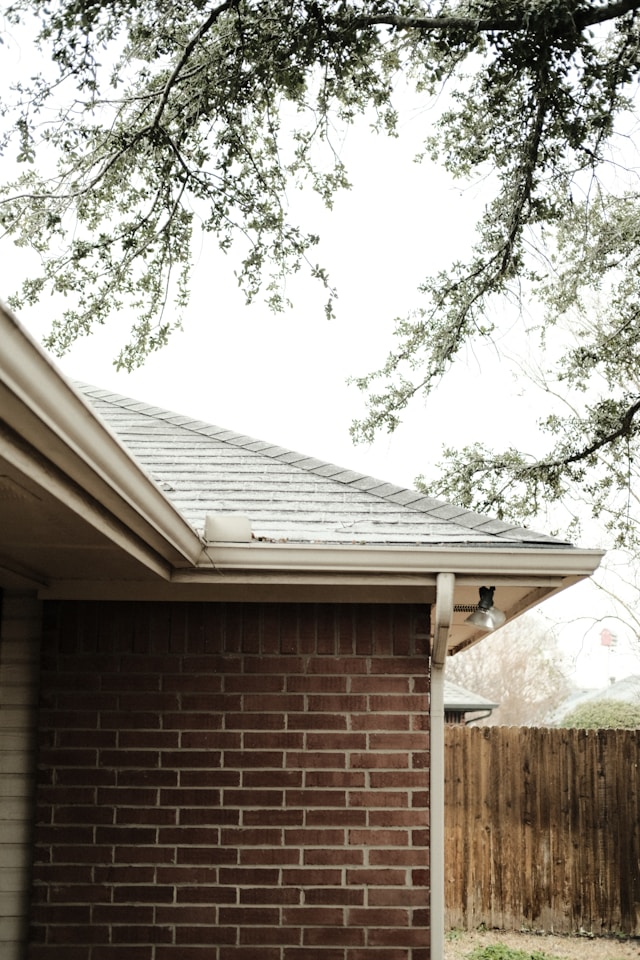
Gutters and downspouts are installed to divert roof water away from the house walls. A roof catches a lot of rain, and all that water has to go somewhere. Clean, properly sized gutters catch runoff and channel it into downspouts. When gutters are clogged with leaves or debris, water overflows and splashes near the foundation. Repeated overflowing saturates the soil, increases hydrostatic pressure, and eventually leads to leaks. Mister Plumber Toronto specialists say that downspouts must channel water far enough from the home to keep the soil dry. Extensions, splash blocks, or underground piping can help move water to a safe discharge point.
Driveways, patios, and other hard surfaces increase the volume of stormwater. These surfaces create runoff because they do not allow water to soak into the soil. If they slope towards the house, they funnel water directly to the foundation. When replacing or resurfacing hard surfaces, the slope should be adjusted to eliminate ponding. Permeable pavers and gravel strips also help reduce runoff. These surfaces let water slowly soak into the soil instead of forcing it to run across the surface.
Stormwater pits and catch basins can help collect runoff at problem areas. A pit is an underground structure that can temporarily hold water. When properly sized, a pit prevents pooling and allows water to disperse into the surrounding soil. A catch basin includes a grate on top and a sediment trap for collecting debris. These systems keep water away from the house and prevent soil saturation. Regular cleaning will keep the basin effective and prevent clogs.
Soakwells are used in many areas to temporarily store stormwater and let it slowly infiltrate the soil at a controlled rate. A soakwell must be sized according to roof area and rainfall intensity. An undersized soakwell will overflow quickly. An oversized soakwell wastes space and costs more money. Installation depth matters as well. If a soakwell is installed in heavy clay soil with poor drainage, the structure may fill but not empty quickly enough. Matching the system design to the soil type is key to proper performance.
Drainage pipes interconnect gutters, pits, and soakwells. These pipes need a certain fall or slope to allow water to flow. Too little slope will slow water and allow debris to build up. Too much slope can create turbulence and reduce the effectiveness of the system. Pipes also must be installed without dips or misalignments. A single low spot in a pipe can hold water and allow sediment to accumulate, eventually creating a blockage. Regular inspection during landscaping or renovations can help identify potential problems.
A surcharge point exists when a stormwater system reaches its maximum capacity. This can happen when drains clog, pits fill, or pipes collapse. The water overflows through the weakest point, often a driveway or lawn. A properly designed system has an overflow route that directs excess water away from the house. Without a path, the water will sit against the building and cause damage.
Roof design has an impact on stormwater behavior. Valleys combine water from multiple roof sections and increase flow velocity. Large roofs without sufficient gutters force water to spill over the edge. The addition of downspouts or the resizing of gutters can help balance the load. Complex roof shapes usually require multiple drainage paths to avoid overloading a single area.
Landscape features also play a role in stormwater management. Garden beds, raised planters, and retaining walls can obstruct natural flow paths. A poorly placed wall may trap water and push it against the home. Cutting channels or creating openings in retaining walls can allow water to move more easily. French drains are gravel filled trenches that include a perforated pipe to redirect water underground. This system reduces surface pooling and relieves hydrostatic pressure near foundations.
Soil type also has an effect on stormwater behavior. Sandy soil absorbs water quickly, reducing runoff but increasing erosion risk. Clay soil absorbs water slowly and often causes pooling. Loam soil provides a balance of absorption and stability. Knowing the soil conditions can help determine the most effective drainage methods. For instance, homes on clay soil may require larger pits or additional overflow routes.
Heavy rainfall events stress all types of drainage systems. When storms exceed normal design levels, even a well maintained system can reach capacity. Maintenance is critical in these cases. Clearing gutters before the storm season, checking downspouts, inspecting pits, and ensuring driveway drains are clear of debris will all improve performance during severe weather. Simple tasks like trimming tree branches help reduce leaf debris that can clog systems.
Subsurface drains can also be installed to help manage groundwater around the foundation. These systems collect water that percolates through soil layers and channel it away. Without subsurface drains, groundwater can rise during wet seasons and create pressure against basement walls. A perimeter drain installed to protect the structure must connect to a reliable discharge point. If the system simply reroutes the water to another area with poor drainage, the problem is not solved, only moved.
In older neighborhoods, many stormwater issues result from aged or undersized systems. Clay pipes may crack or collapse. Old metal grates can corrode. Drains that once functioned well may become inadequate as rainfall patterns change or nearby development alters drainage routes. Upgrading existing systems can improve performance and prevent water from backing up during storms.
Stormwater systems also interact with municipal infrastructure. If city drains back up, water can rise towards private property. Homes at the bottom of hills or near roads may need additional protection. Backflow prevention on stormwater is not as common as with potable water systems, but does play a role in some regions. A flap valve on a stormwater outlet prevents floodwaters from flowing backwards into private drainage pipes.
Homeowners can take some practical measures to help improve stormwater performance. Gutter guards can help reduce clogging. Permeable surfaces for paths and patios help reduce runoff. Redirecting downspouts to garden beds or rain barrels can help slow water movement. Regular inspection of drains and pits prevents blockages. During landscaping projects, the soil should be sloped away from the home to protect foundations.
Stormwater management is a battle of controlling the water, not fighting it. Rainfall is inevitable, but the resulting damage is not. A well designed system will direct water away from the home, reduce the pressure on structural elements, and prevent costly issues like erosion or flooding. By understanding how water behaves and how different components work together, a homeowner can create a stormwater system that will keep their property safe in both light showers and heavy storms.